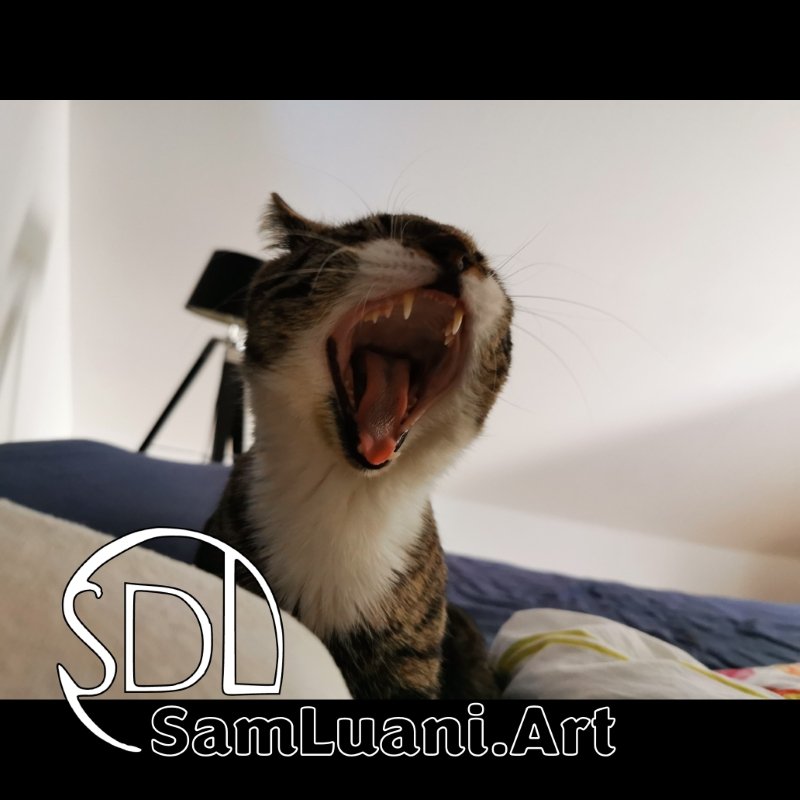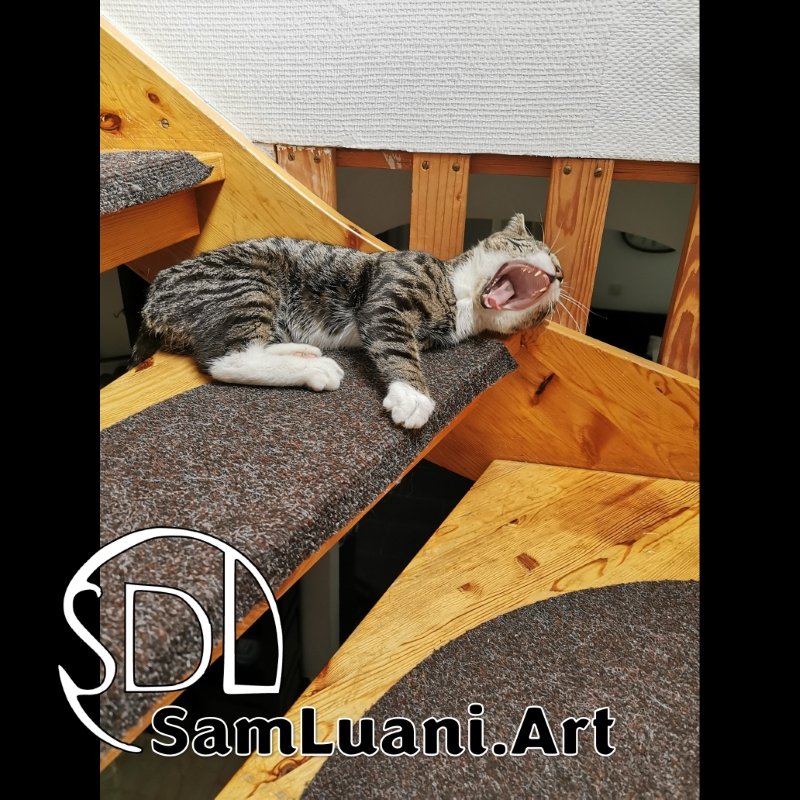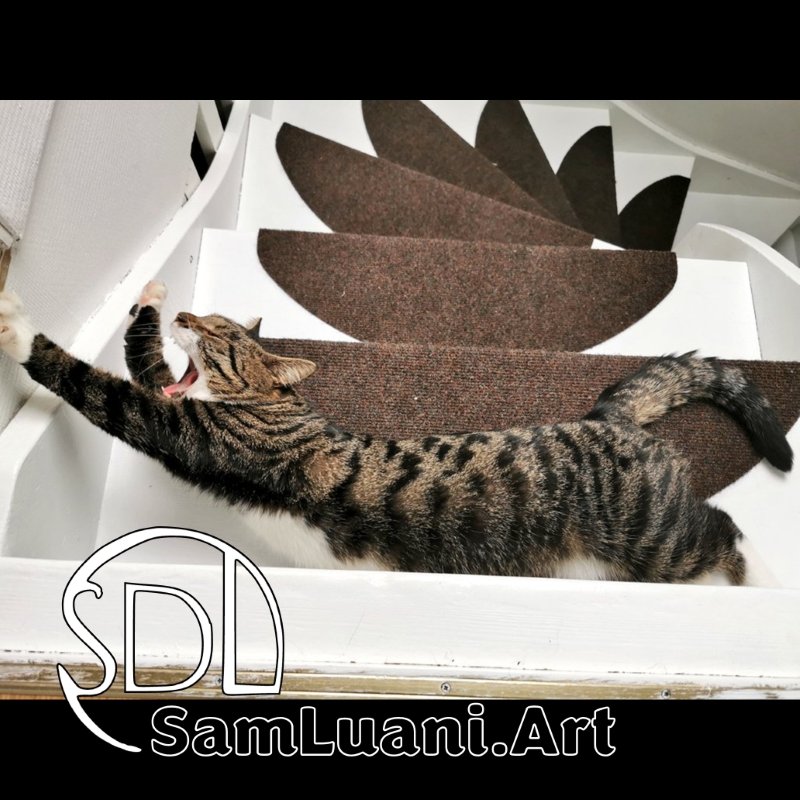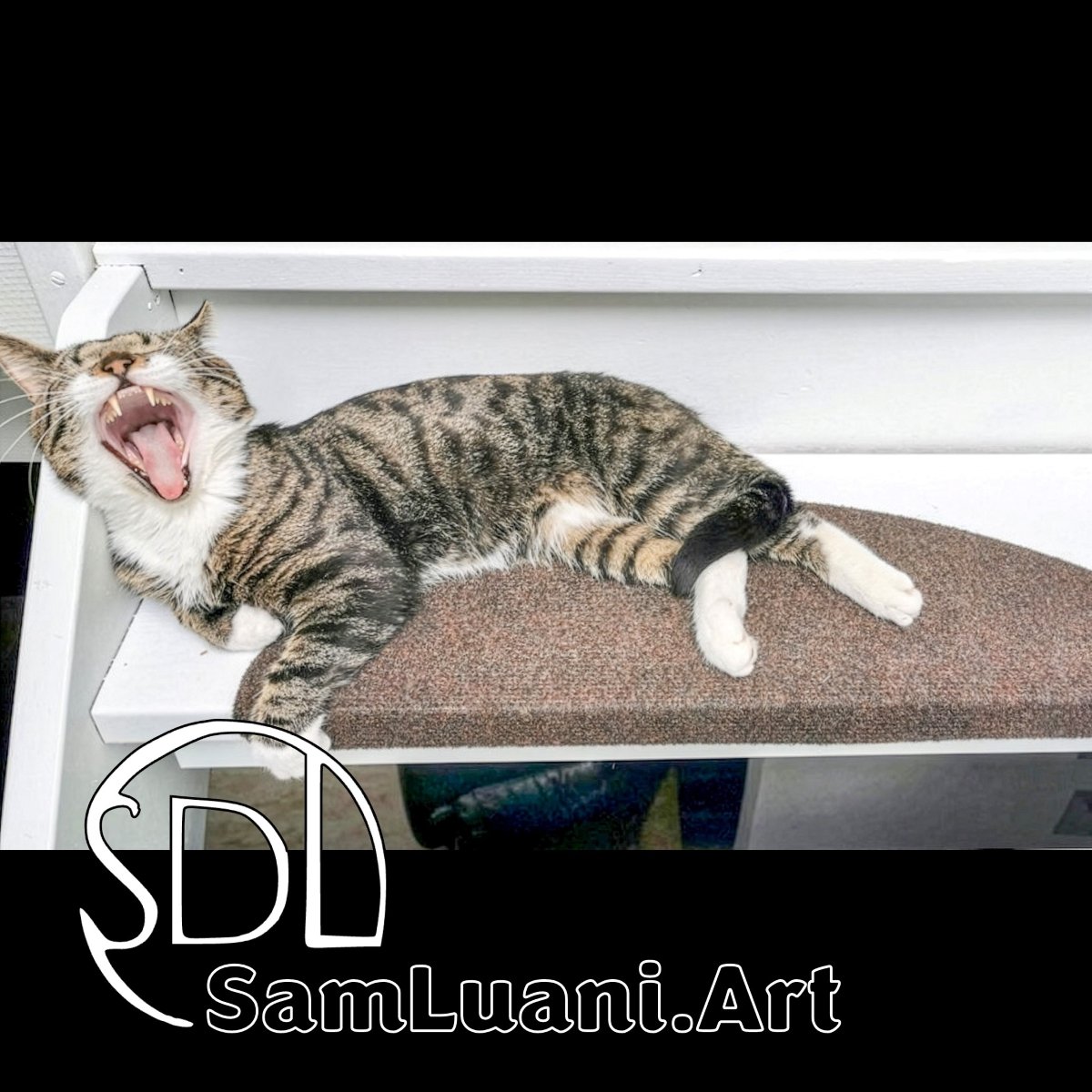
The visual items of SDL InnerSpace are sorted in the following categories.
- Editing Platform
- Vector
- Vector graphics use mathematically defined shapes—lines, curves, polygons—to create images that scale infinitely without losing clarity, ideal for logos and clean design.
- Raster
- Raster graphics consist of pixel based images capturing texture, nuance, and detail; perfect for photographs, organic forms, and expressive, material rich digital artwork. All published and used original photographic materials in my works belong to this category.
- Composition Genre
- Landscape
- Images where natural or built environments form the primary subject, emphasizing place, atmosphere, and spatial experience.
- Portrait
- Works that focus on representing people, animals or other creatures and their natural and unnatural features.
- Still Life
- Compositions centered on inanimate objects—natural, domestic, or symbolic—arranged to explore form, texture, and meaning.
- Composition Theme
- Non-representational
- Works with no reference to identifiable objects or the external world, conceived as pure visual entities.
- Geometric
- Compositions built from geometric shapes and ordered systems.
- Optical
- Images designed to produce visual effects, illusion, or vibration.
- Landscape Culture
- Natural
- Images depicting untouched environments such as mountains, forests, rivers, or deserts, emphasizing nature’s raw forms, light, and atmospheric conditions.
- Rural
- Images of countryside settings with fields, farms, villages, and pastoral scenes, highlighting agricultural life, simplicity, and human coexistence with nature.
- Urban
- Views of cities, streets, and architecture, focusing on built environments, human activity, and the visual rhythm of metropolitan structures.
- Imaginary
- Invented or fantastical environments created from imagination, myth, or dream, blending real and unreal elements to evoke symbolic or visionary worlds.
- Landscape Lines
- Scene View
- Aerial
- Perspective from above, showing landscapes, cities, or terrain from elevated vantage points, emphasizing patterns, scale, and spatial relationships.
- Panoramic
- Wide‑angle depiction of a scene, capturing an extended field of vision to emphasize breadth, continuity, and immersive spatial experience.
- Celestial
- Images of deep space, stars, galaxies, and cosmic structures, presenting the universe beyond Earth as the primary visual subject.
- Underwater
- Depictions of submerged environments, highlighting aquatic life, light refraction, and the unique atmosphere beneath the water’s surface.
- Underground
- Scenes located beneath the earth’s surface, such as caves, tunnels, or subterranean spaces, emphasizing hidden structures and enclosed atmospheres.
- Object View
- Exterior
- A view of the exterior of a building or other object.
- Close-up
- A view of, or part of a person/object taken at close range in order to emphasize detail or accentuate mood. Macro photography. (Description from IPTC code: 011800)
- Interior
- A scene or view of the interior of a building or other object. (Description from ITPC code: 011700)
- Portrait Cut
- Headshot
- A head only view of one or more creatures.
- Half-length
- A torso and head view of a creature.
- Full-length
- A view of a whole body of a creature.
- Rear View
- A view of a creature or creatures from the rear.
- Profile
- A face seen from the side.
- Population
- Still Theme
- Natural
- Includes organic objects like fruits, flowers, plants, shells, bones.
- Artificial
- Image featuring produced, artificial items such as books, tools, instruments, ceramics, textiles, or devices.
- Banquet
- Focuses on meals, ingredients, or kitchen scenes — often symbolic or sensual.
- Decoration
- Dedicated to decorative elements and arrangements. Floral stills are a part of this category as well.
- Symbolic
- Images of carefully arranged objects, to convey deeper meanings, themes, or allegories.