Skip to content

Sam Luani Art

Art as Inquiry. Thought as Form.

  • InnerSpace
  • Art
  • Philosophy
  • Magic

Sam | Leo | Home | Garden | Food | Hood | Travel | SDL Origins | Vector Vintage | Raster Retro | SDL View | Eagle | Solar Lion | S-Dragon | Bass Clef Study

InnerSpace | Magic

InnerSpace starts from a materialistic philosophical perspective, applying dialectical materialism and materialistic functionalism to validate the assumptions underlying magic. It posits that the rational behavior of matter is fundamental and that magic naturally arises from this rationality. InnerSpace also incorporates art as a methodological tool, with all artworks within its system intended as magical artifacts called magificia.

In InnerSpace, reality can be engaged as a communicative partner whose behavior can be altered through symbolic interaction. This principle encapsulates animism, spellcraft, ritual, prayer, divination, sympathetic magic, and modern magical thinking. The magical worldview of InnerSpace is based on a strong refusal to accept a silent universe. And we admit—proudly—the strength of this belief is beyond the restrictions of reason.

InnerSpace Magic Concepts
  • Magic
  • In the magical framework of InnerSpace, we deliberately refrain from providing a rigid definition of the term magic. Instead, we use magic to refer to a system composed of devices and methodologies that we regard as multifunctional and rational—exceeding the limits of complexity typically accessible to scientific understanding and pure reason.
  • In InnerSpace the term magic refers to a distilled concept that, within our worldview, is very logical and rational, although its subject might appear irrational. Our conclusion is that it reflects a higher order of complexity in matter. We also treat magic as a system reflecting a more complex form of thinking and consciousness, based not on reason and thought, but on sentience and emotion. It is crucial to clarify that we accept the basic assumptions underlying the general concept of magic as true: that dead matter invariably behaves in the most rational way possible, and that magic—real magic—is an inevitable consequence of this rational behavior.
  • Within InnerSpace, the range of methods and doctrines we group under the term magic also encompasses religion and metaphysics, despite efforts to exclude them from this category. We think these efforts are based on ideology rather than reason or truth. Our understanding of magic further includes astrology, alchemy, necromancy, technomancy, eschatology, and various other forms of wisdom that are often considered irrational. At its foundation, the magical doctrine of InnerSpace is rooted in an animistic intentionality that is extended across the entire field of causality.
  • Human Acts and Works
  • Within the magical framework of SDL InnerSpace, all elaborate human‑made objects, structures, and intentional actions are understood as belonging to a graded continuum of constructed agency, and can be divided into these categories: aedificia, artificia, magificia and sacrificia. These categories describe degrees of transformation, not merely types of artifacts.
    • Aedificium
    • In InnerSpace, an aedificium (plural: aedificia, adjective: aedificial) is any object, structure, or action deliberately created or performed by human agency that requires specialized knowledge, skill, or technique for its realization. An aedificium marks the threshold of intentional construction: the point at which raw material, gesture, or process is shaped by learned competence rather than instinct or accident. All buildings, machines, works of art, all performed medical surgeries, all human generated objects and actions, with a purpose and requiring special skills and knowledge are aedificia. All higher categories presuppose the aedificium
    • Artificium
    • In InnerSpace, an artificium (pl. artificia, adj. artificial) is an aedificium that is intended to, or succeeds in, producing a distinct aesthetic, emotional, or contemplative response in the mind of an observer—such as awe, sublimity, resonance, or artistic recognition. An artificium represents a transcendence of construction into art: the moment when technical formation becomes expressive meaning. The artificium is not defined by beauty alone, but by its capacity to reorganize perception and attention. In InnerSpace art is understood as constructed transcendence.
    • Magificium
    • A magificium (pl. magificia; adj. magificial) is any aedificium or artificium that produces a profound alteration in the experience, interpretation, or perceived structure of reality itself—or that is deliberately constructed with this transformative intention. Where the artificium transforms perception, the magificium transforms world relation. It operates not merely on the observer’s aesthetic response, but on their sense of causality, meaning, identity, or existential orientation. In InnerSpace, magic is not illusion but experiential reconfiguration.
    • Sacrificium
    • A sacrificium (pl. sacrificia; adj. sacrificial) is the intentional incorporation of a sacred element into a work—where “sacred” denotes something of irreplaceable personal value, existential significance, or symbolic gravity to the author or practitioner. This may include:
      • • personal history or vulnerability
      • • irreversible commitment
      • • loss, risk, or renunciation
      • • time, identity, or emotional exposure
    • Within the magical framework of InnerSpace, the sacrificium often constitutes the final catalytic element required for an artificium to cross the threshold into a magificium. It is the moment where construction becomes irrevocable, and meaning acquires cost.
  • Magical Device
  • In InnerSpace, magic is not a collection of random tricks but a disciplined system built on a reliable set of conceptual tools. These stable methods—referred to as basic magical devices—consistently recur throughout magical operations. Unlike traditional “spells,” these devices are methods for engaging with a world that is believed to respond to symbolic action. In InnerSpace, these are known as (basic) magical devices.
  • Foundational to these tools are several core assumptions, which serve as principles of hidden wisdom:
    • Reality is responsive to symbolic action.
    • Meaning can function as causation.
    • Correct form matters more than brute force.
    • The pertinent question is not “How does this work mechanically or is it connected mathematically?” but rather “What does this respond to?”
  • The tools of magic are, therefore, methods for addressing, persuading, constraining, or reconfiguring a world that is treated as symbolically responsive. Put succinctly, magic operates by speaking to reality in the language it is believed to understand.
  • Below is a structured taxonomy of the core magical devices explored and applied in InnerSpace. The terminology used to describe these devices is also applied in the study of creativity within InnerSpace, as these concepts better capture certain aspects of creative work.
    • Invocation
    • In InnerSpace magic, invocation or summoning is the act of bringing something into presence or focus—such as spirits, forces, ancestors, gods, qualities, or events. This is often achieved using names, chants, sigils, or ritual gestures. The underlying logic is that what is named and addressed becomes present and responsive. When an artifact in InnerSpace is labeled as an invocation, it is meant both as a work of art and as a work of magic, in the literal sense.
    • Binding
    • In InnerSpace Magic, binding or command is the act of asserting authority over an entity or process. This includes issuing orders, prohibitions, constraints, seals, or circles—as well as practices such as exorcism, banishment, or binding spells. The foundational logic here is that correct form combined with authority compels obedience. In InnerSpace, when a text or other creation is described as a magical command, this is intended literally, not metaphorically. Magical terms are often capitalized to highlight their connotation.
    • Enchantment
    • In InnerSpace magic, enchantment involves imbuing an object, place, or person with altered properties. Examples include talismans, charms, cursed items, or blessed tools. These alterations are often permanent or semi-permanent. The key principle is that meaning can be stored in material carriers and released when needed.
    • Divination
    • In InnerSpace magic, divination is the practice of extracting information from hidden or future states, or from transcendental structures beyond rational understanding. Methods include omens, astrology, tarot, dreams, entrails, or randomness. In InnerSpace, art is also used as a medium and method for divination. The process is typically framed as “listening” rather than acting, with the belief that the world communicates through signs that can be interpreted if properly read.
    • Ritual Repetition
    • In InnerSpace magic, ritual repetition involves structured, repeated actions used to stabilize or generate desired outcomes. This may involve fixed sequences, precise timing, specific numbers, or cycles. The principle is that order imposed on action produces order in outcome. In InnerSpace, certain workflows and algorithms are approached as ritualistic repetitions with generative purposes, and all creations are made with ritualistic intent expressed in magical terms.
    • Sympathetic Action
    • In InnerSpace magic, sympathetic action refers to influencing an original through its representation—using effigies, dolls, images, names, hair, or footprints. It is based on the principles “like affects like” and “part affects whole.” Symbolic similarity is believed to establish a causal connection. In InnerSpace all fundamental studies of shape seek a connection with this magical concept.
    • Transformation Alchemy
    • Transformation alchemy, drawing from classical alchemy, is embraced in InnerSpace as a framework for understanding and facilitating change. Alchemy is seen as the art—not the science—of transforming the state of complex material structures such as consciousness, and of turning mystery into clarity. Transformations such as lead to gold, illness to health, or chaos to order are included, as well as the inner transformation of the practitioner. The central logic is that essences are mutable under the right conditions.
Tags: Art, Concept, Creativity, InnerSpace | Aesthetics, Materialism, Matter, Motion, Space, Time, Worldview | Multifunctionalism
  • SDL Visuals
  • Graphics
    • Vector
    • Raster
  • Composition Genre
    • Landscape
    • Portrait
    • Still Life
  • Composition Theme
    • Non-representational
    • Geometric
    • Optical
  • Landscape Culture
    • Natural
    • Rural
    • Urban
    • Imaginary
  • Landscape Lines
    • Land
    • Sky
    • Sea
  • Scene View
    • Aerial
    • Panoramic
    • Celestial
    • Underwater
    • Underground

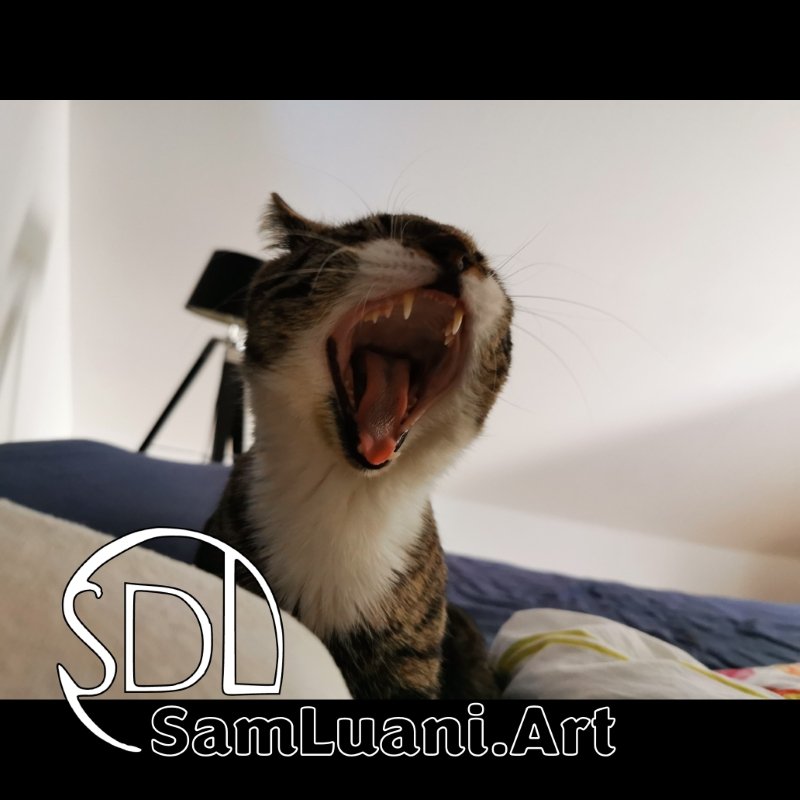
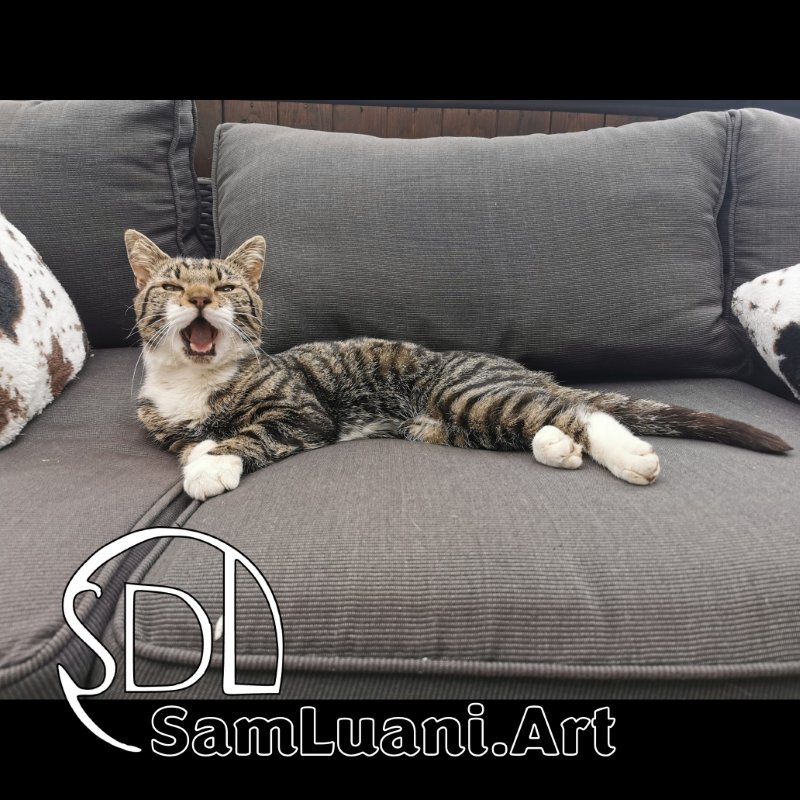
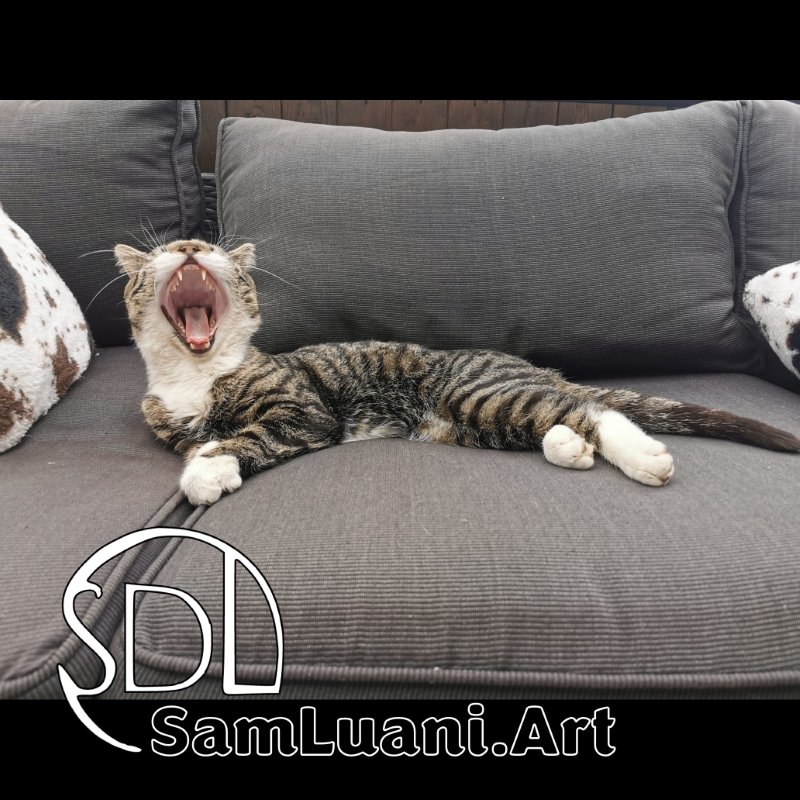
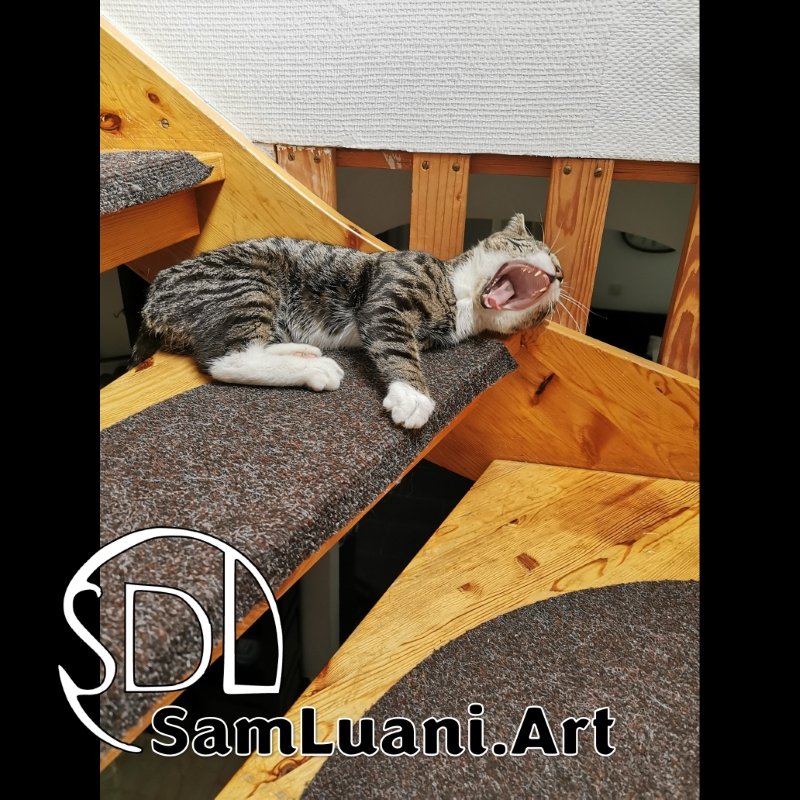
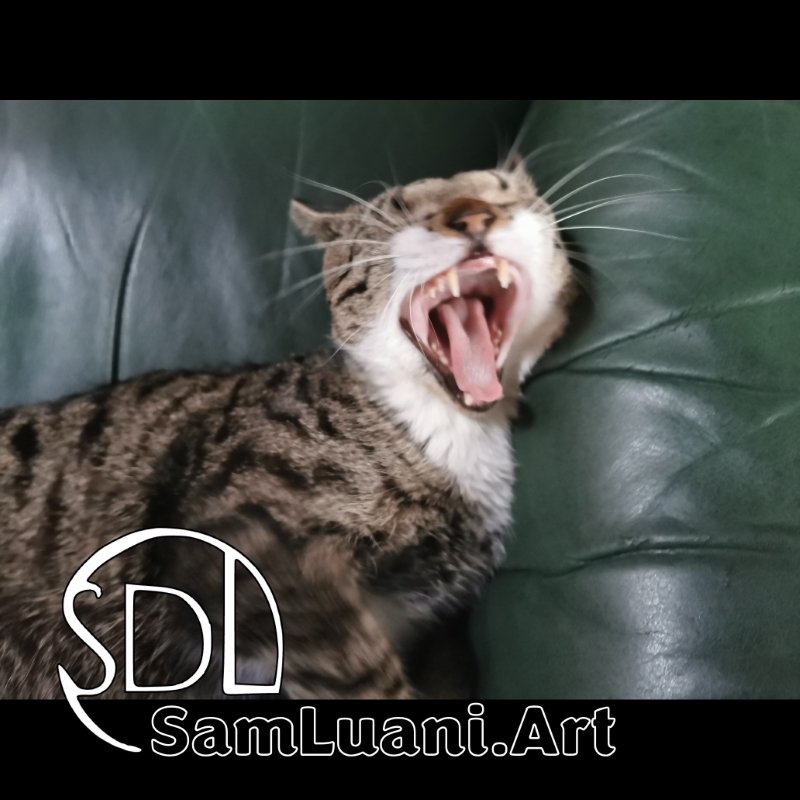
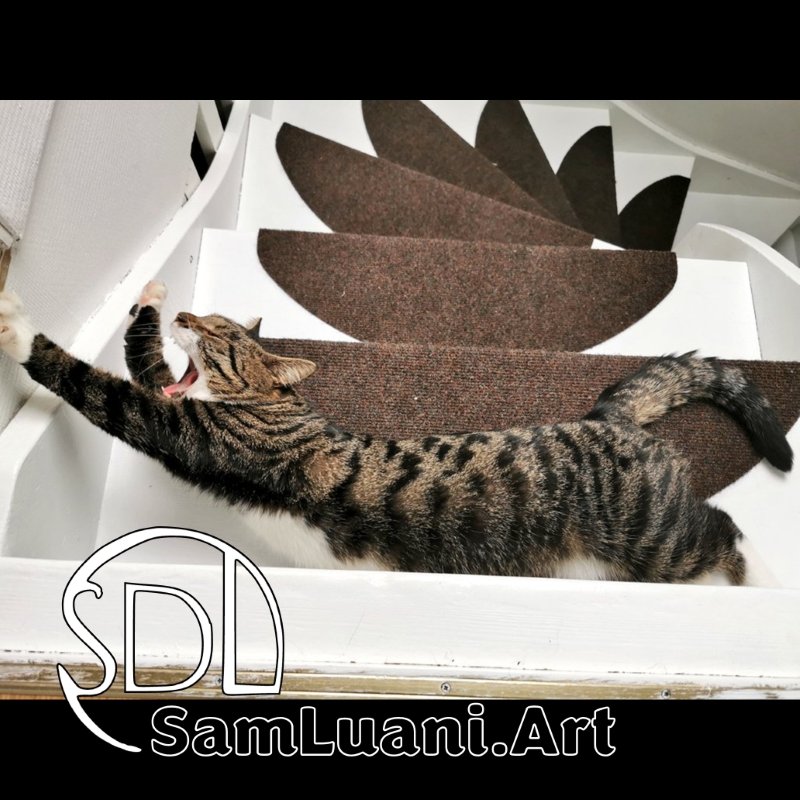
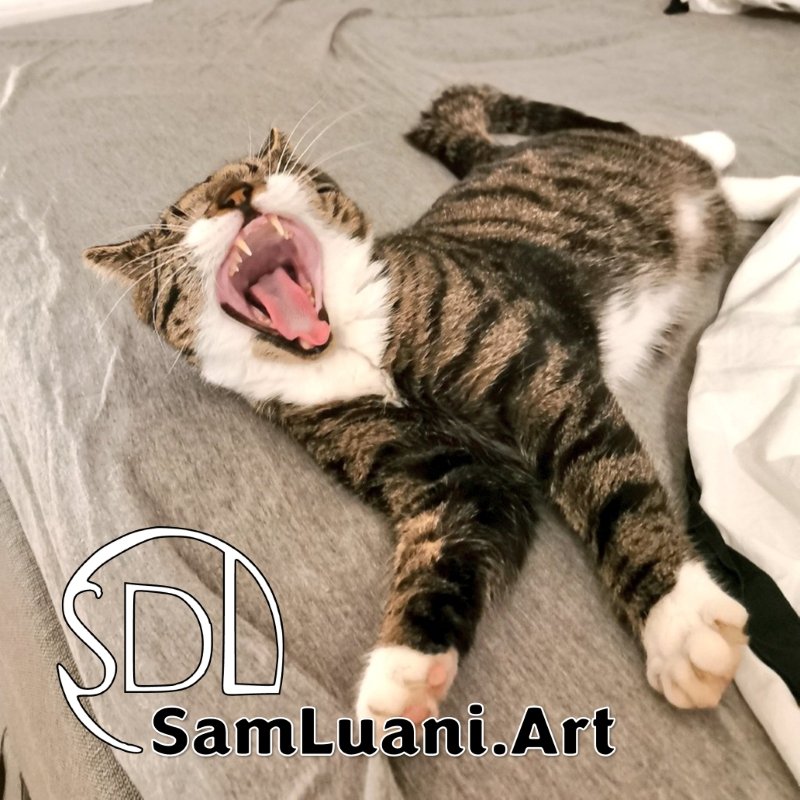
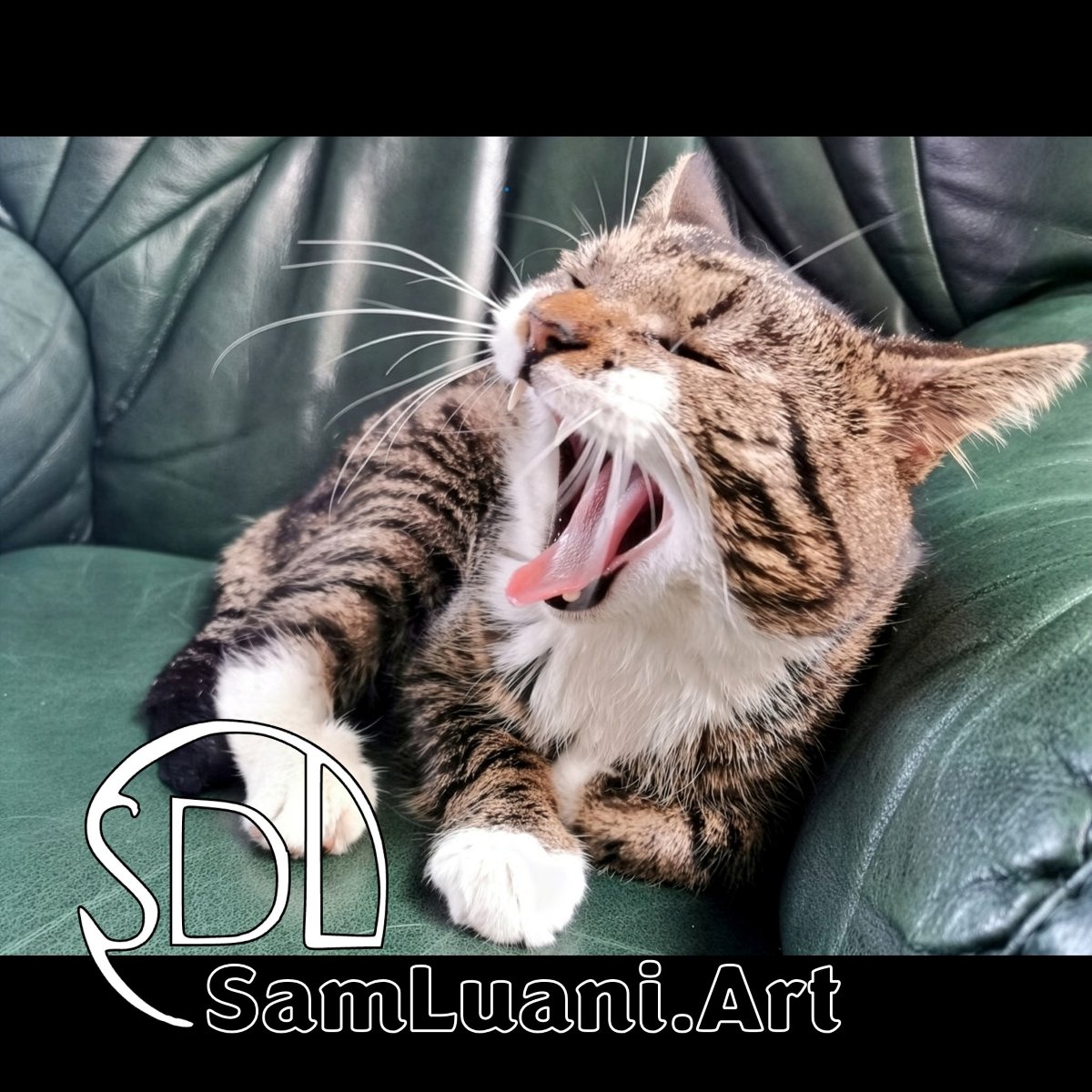
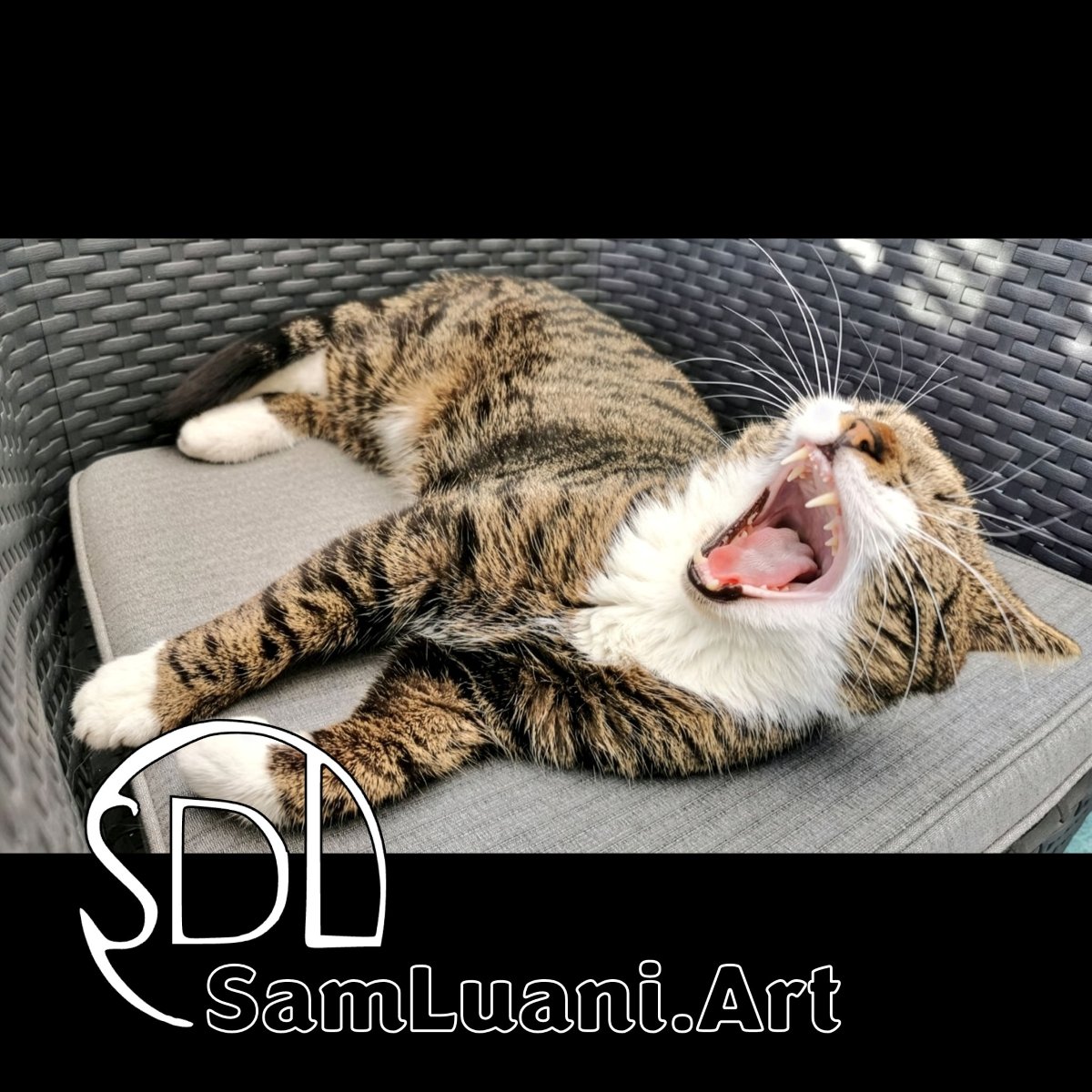
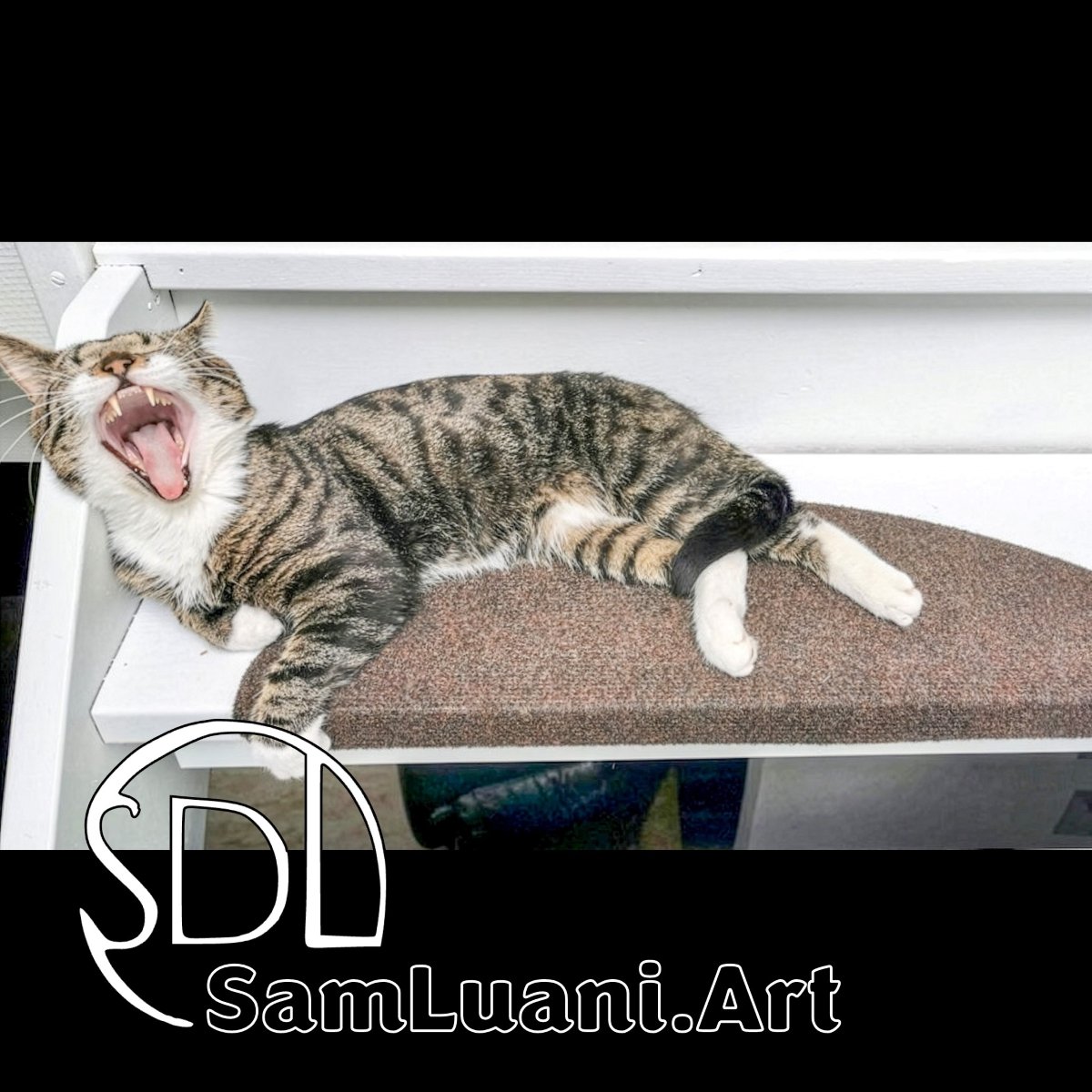
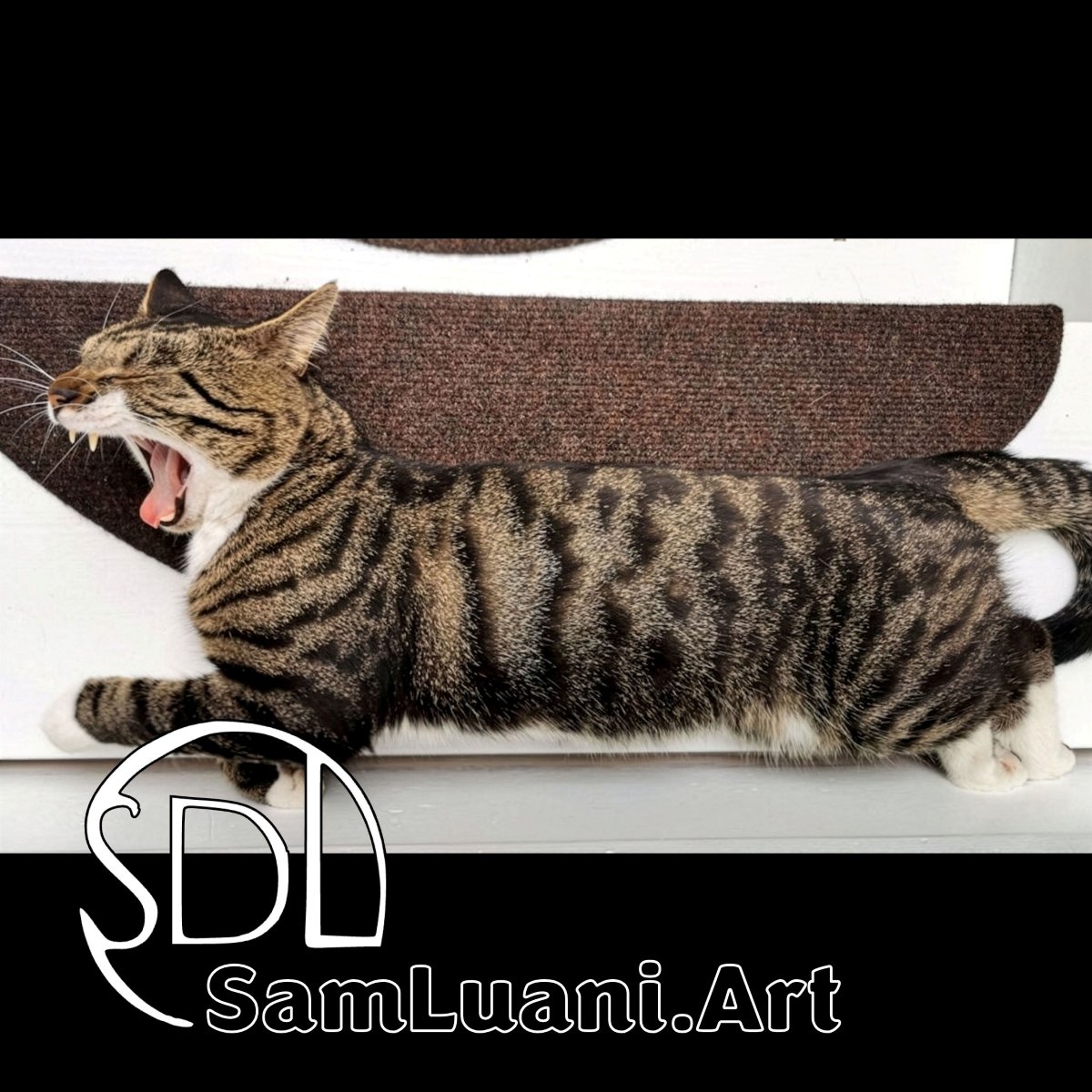
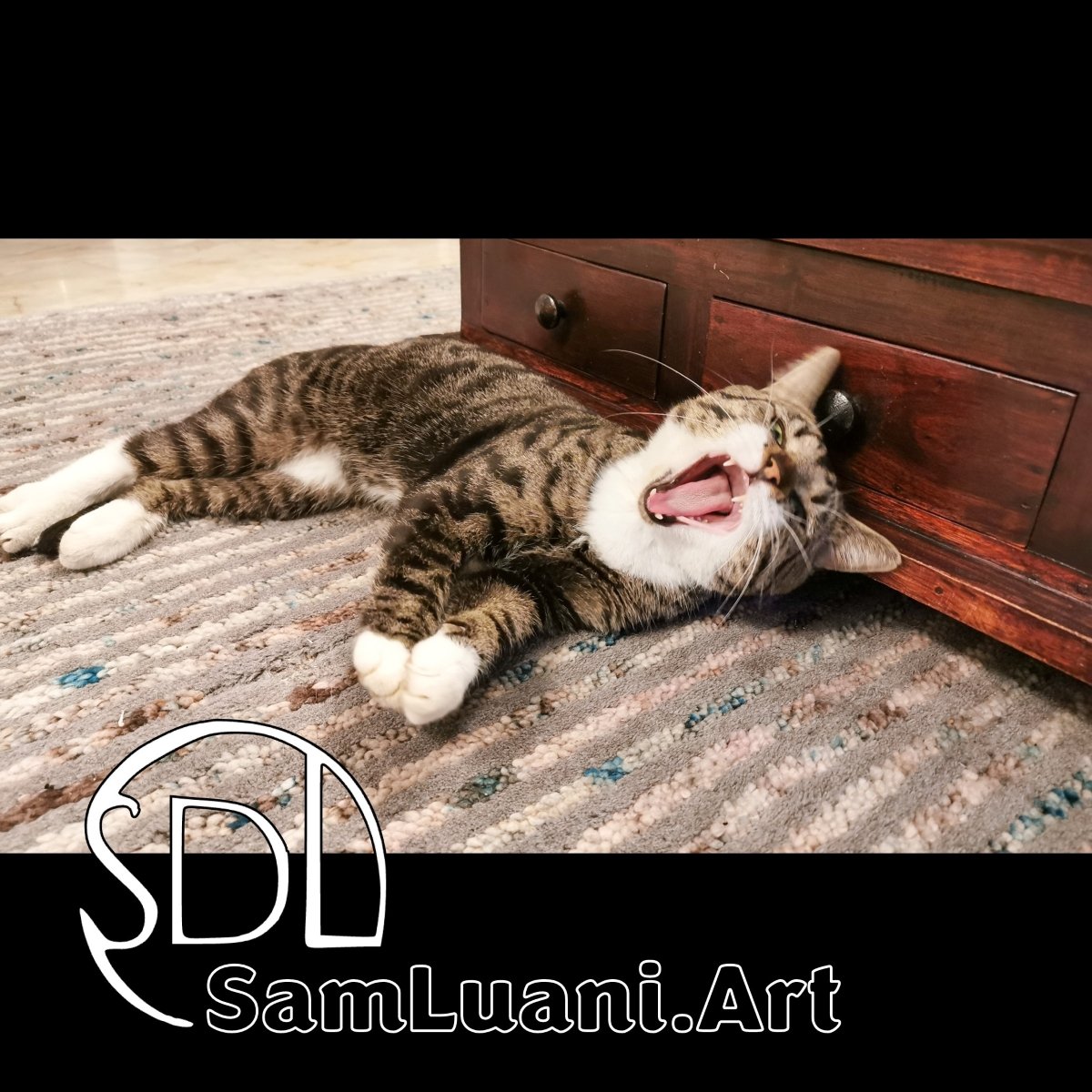
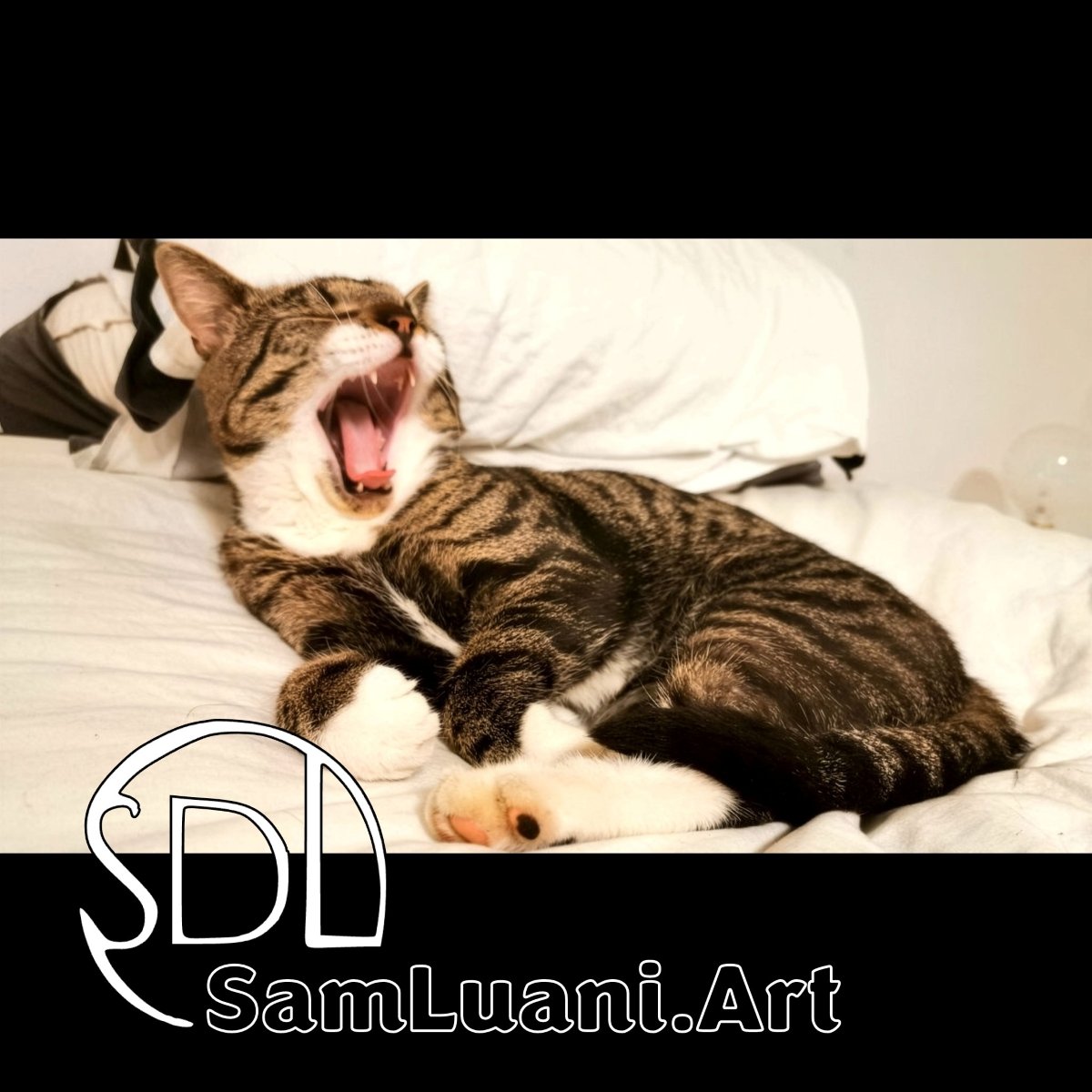
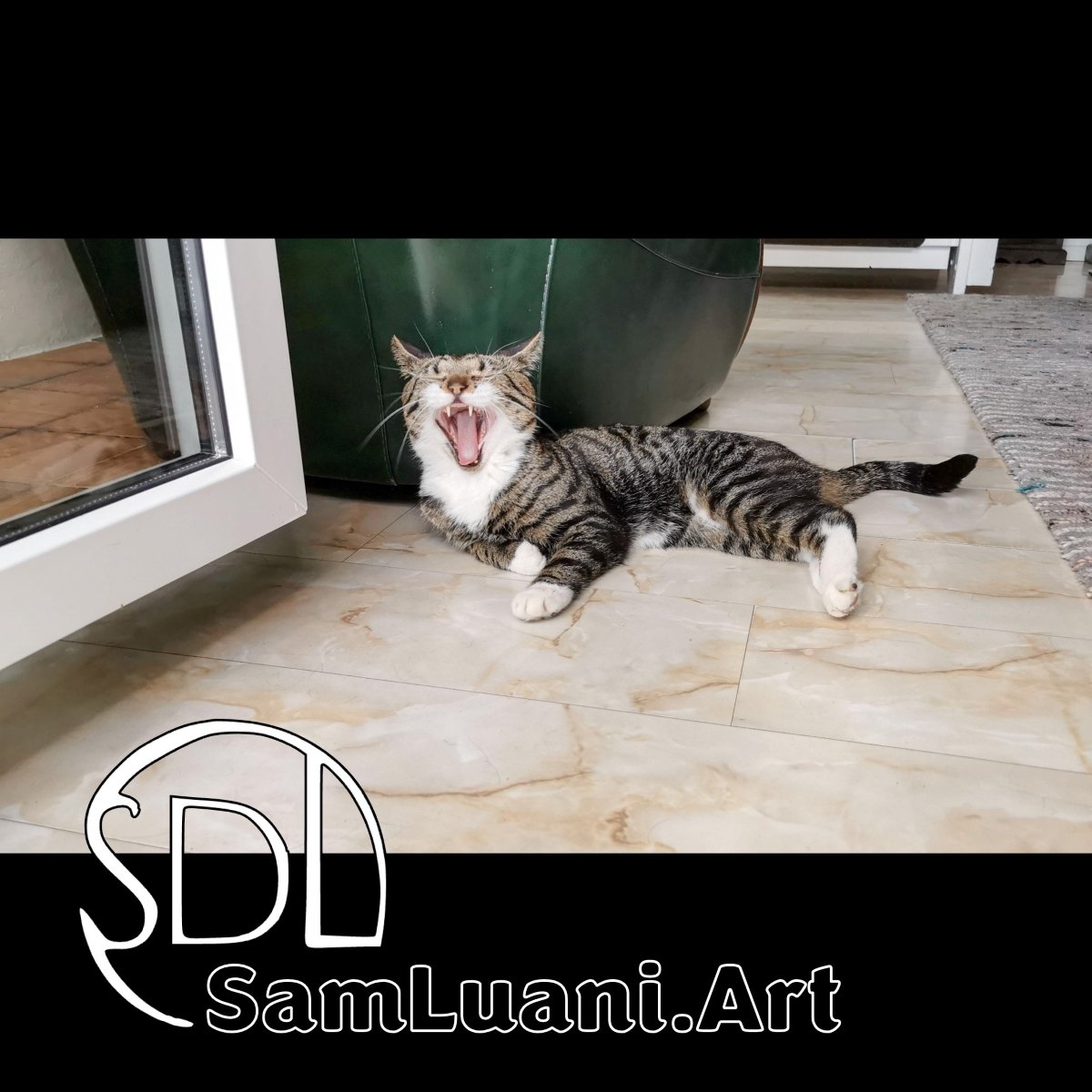
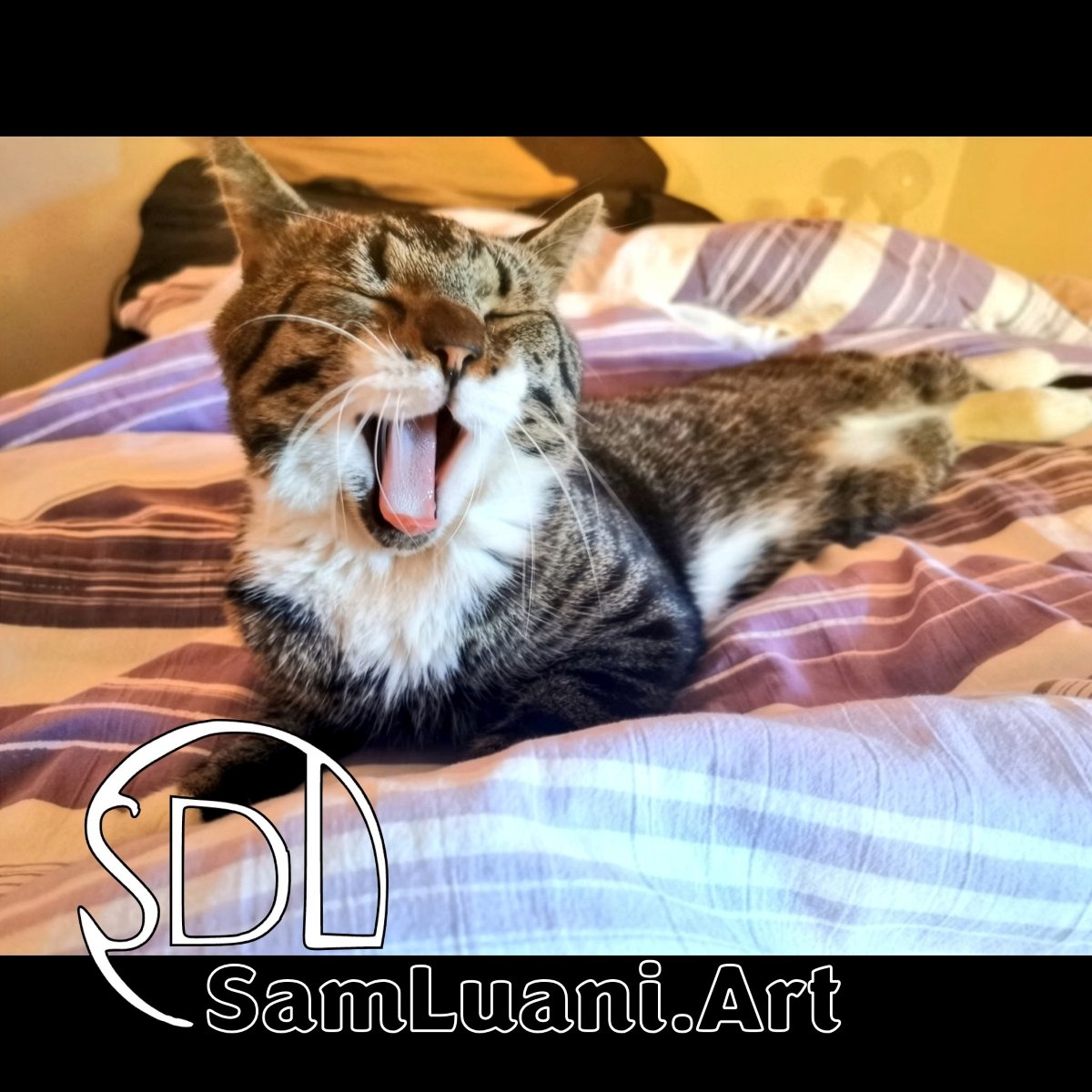
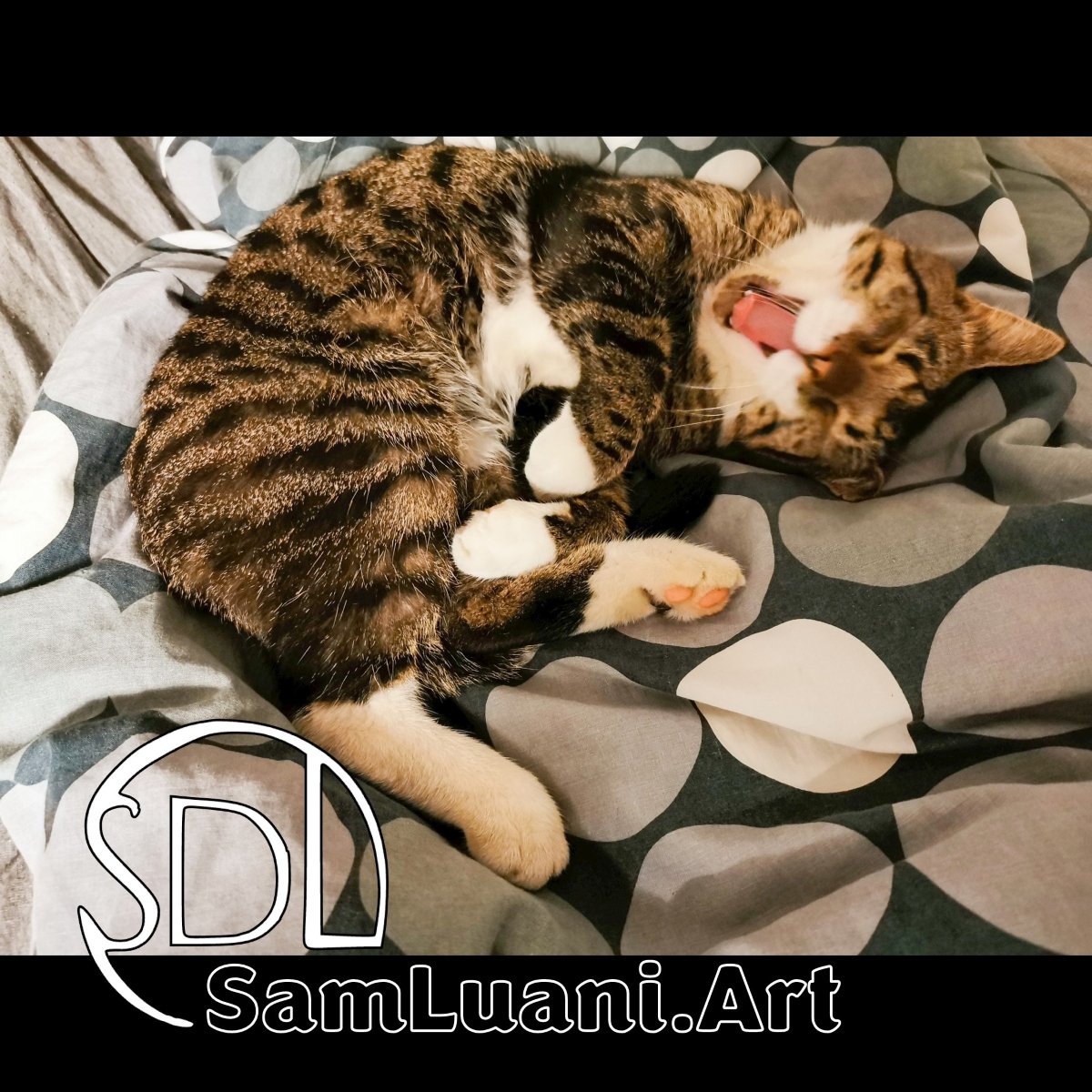
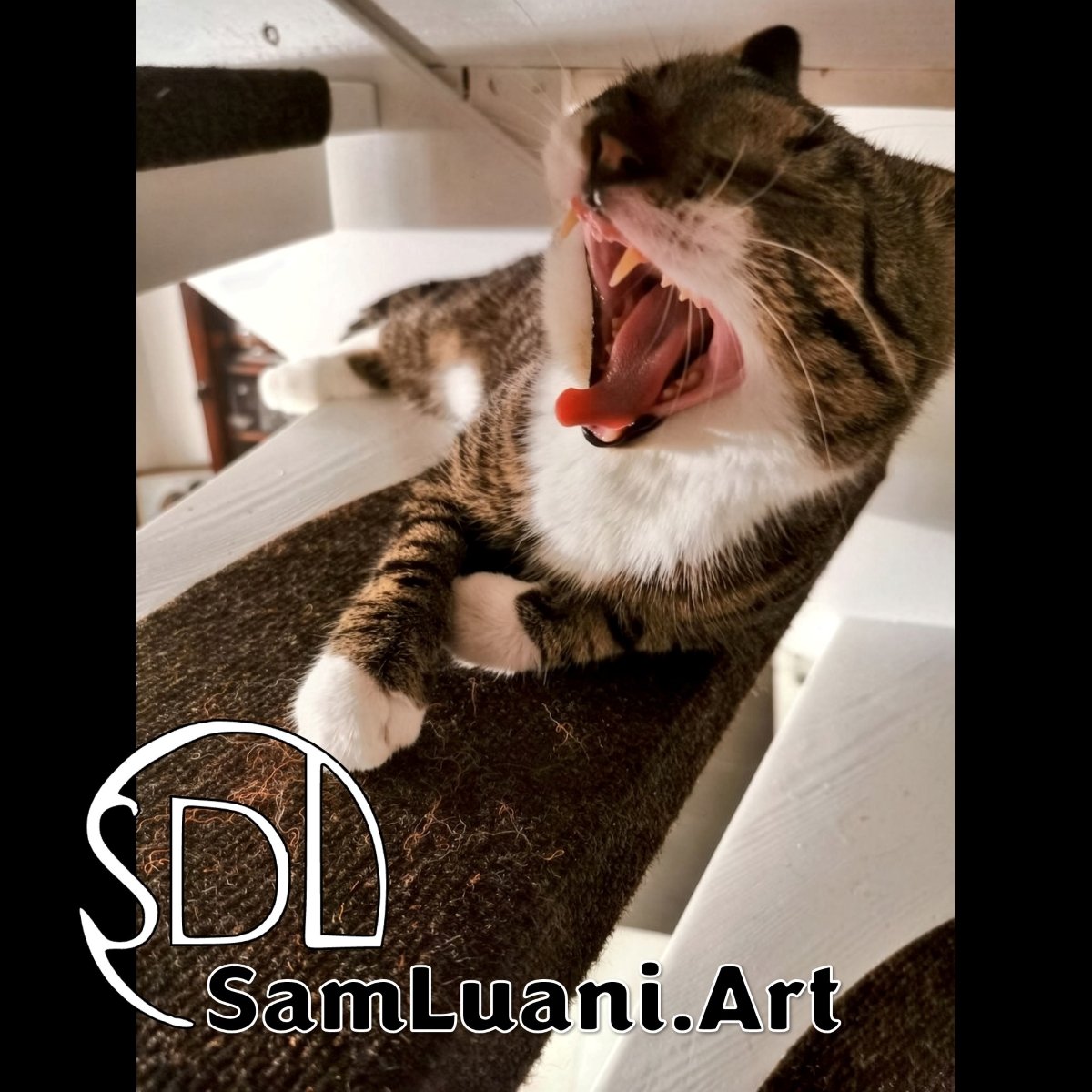
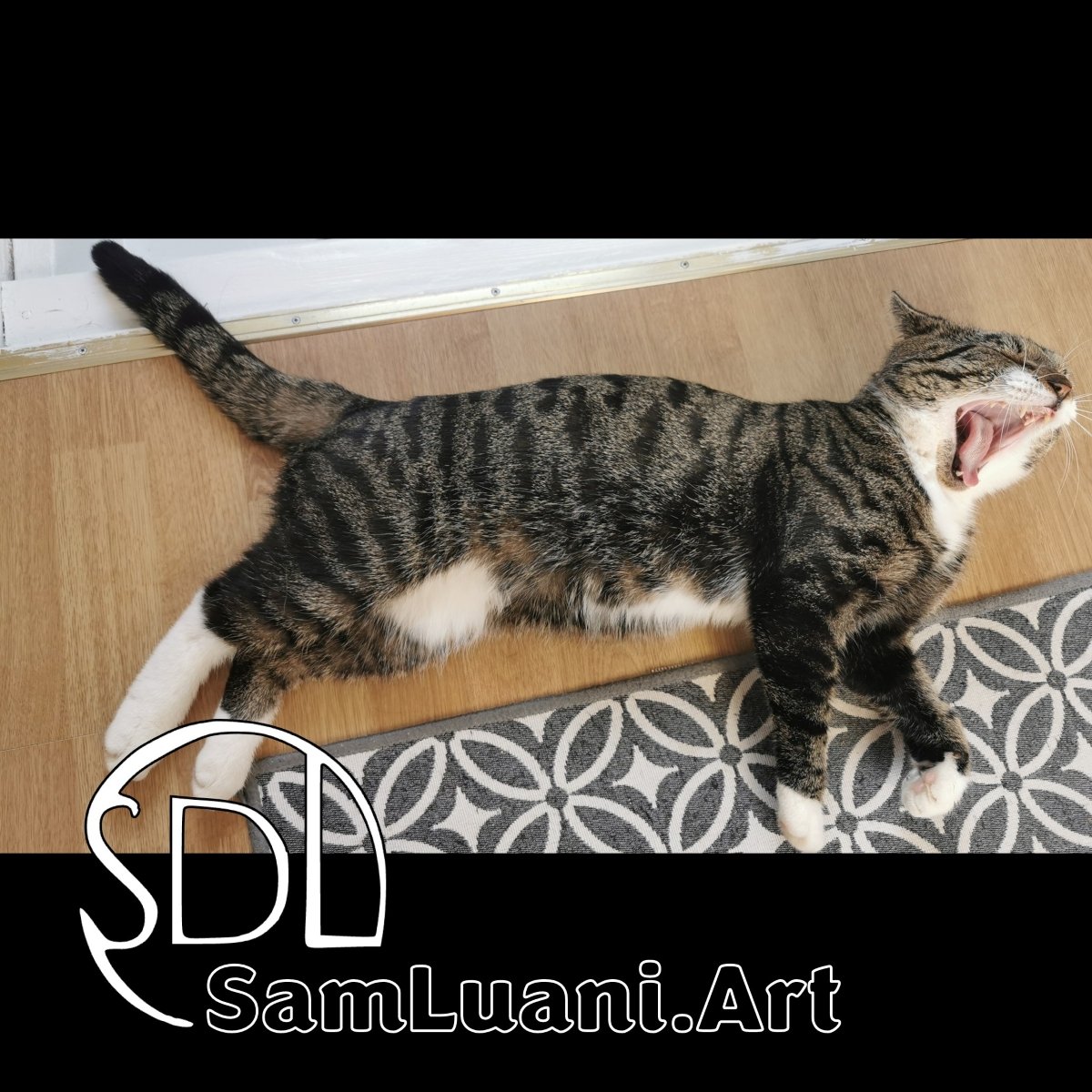
Leo The Yawning Lion

SDL202004210750 | Leo the Yawning Lion
 
SDL20200515144201 | Leo the Yawning Lion 1
 
SDL20200515144202 | Leo the Yawning Lion 2
 
SDL20200630084031 | Leo the Yawning Lion
 
SDL202007041906 | Leo the Yawning Lion
 
SDL202011020944 | Leo the Yawning Lion
 
SDL202012031631 | Leo the Yawning Lion
 
SDL20210318 | Leo the Yawning Lion
 
SDL20210319 | Leo the Yawning Lion
 
SDL20210528 | Leo the Yawning Lion
 
SDL20210604 | Leo the Yawning Lion
 
SDL20210610 | Leo the Yawning Lion
 
SDL202106181 | Leo the Yawning Lion
 
SDL202106182 | Leo the Yawning Lion
 
SDL20210713 | Leo the Yawning Lion
 
SDL20210718 | Leo the Yawning Lion
 
SDL20210817 | Leo the Yawning Lion
 
SDL20210827 | Leo the Yawning Lion
 
Copyright 2025 Sam Diellor Luani