The Privacy Gatekeeper
View on DeviantArt | Product Page
The Daemonculus & The Weight of the Locked Position
We begin this structural analysis with a warning. The world of commercial design tries to tell us that the Bass Clef Heart is a “popular musical design” meant to express a simple love for low notes. This is a fabrication.
The truth is that the bass clef is rarely touched by experimental artists or emoji designers not because it is unpopular, but because it is dangerous.
The Potent Daemonculus
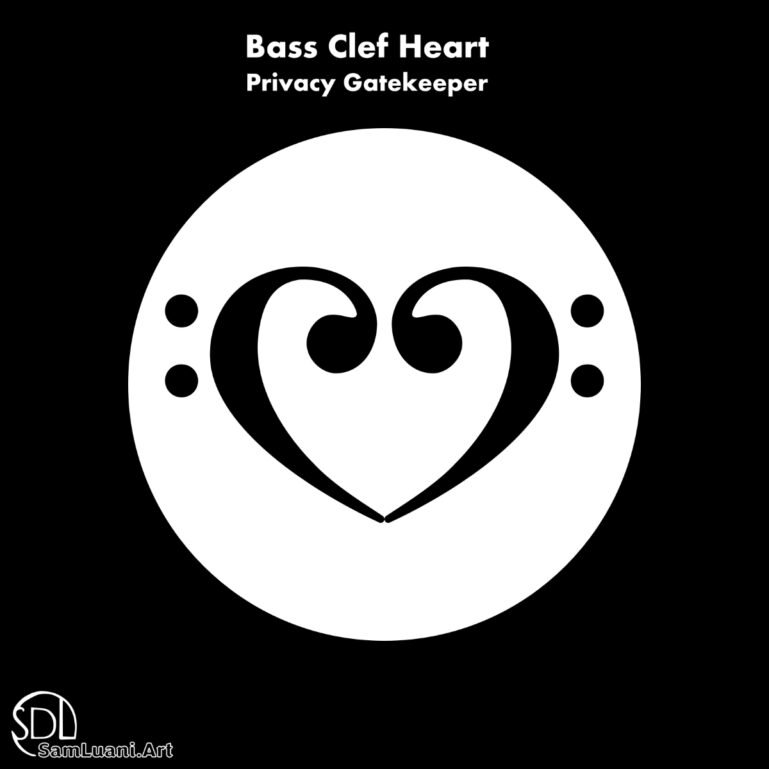
The Bass Clef Heart is not a symbol of harmony; it is a potent Daemonculus of Portraiture and a Privacy Gatekeeper loaded with such heavy artistic substance that it becomes unmanageable for the ordinary mind.
1. The Weight of the “Locked Position”
To the untrained eye, the shape forms a heart. But look closer at the architecture of the symbol. It is composed of two “creatures”—the clefs—caught in a Locked Position.
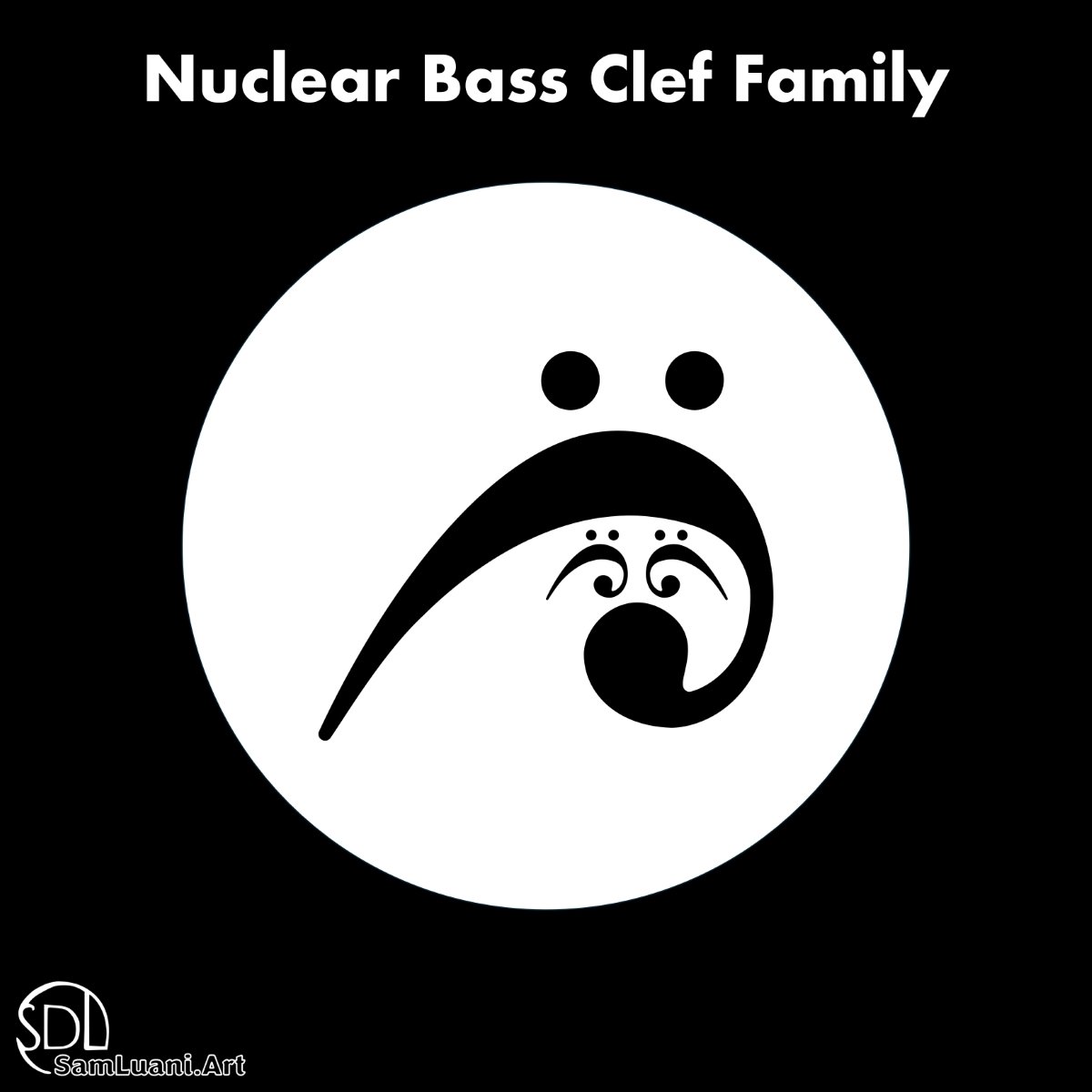
As established in other plates of this study, the single Bass Clef is a “Bipolar Nucleus” of instability. When we mirror them, we double that volatility. This deadlock creates a visual paradox. It simultaneously contains and displays concepts that are opposing and conflicting, yet terrifyingly coherent. It holds contradictory emotional expressions in a single frame: aggression and protection, love and warning, symmetry and chaos.
It is not a static image. It is a vibrating circuit of tension. The two entities are not resting; they are bracing.
2. Imminent Volatility
Because of this intense compression of conflicting concepts, the image does not invite the viewer in—it dares them to approach.
The impression it creates is of something that might explode if one insists on looking at it too closely or touching it. It is a psychological landmine. The two bass clefs are interlocked in a position of readiness with a clear message: “Whatever you think is happening inside this heart is a sensitive, personal matter. It is under high pressure. If you pry, you trigger the detonation!”
This is the ultimate symbol against surveillance. It does not just hide the private self; it threatens consequences for the intruder.
3. The Domain of the Wizard
There is a reason why the bass clef is absent from the standard library of emojis and why you rarely see it used in experimental imagery compared to the treble clef.
The treble clef is light, airy, and decorative—easy fodder for the commercial artist. The bass clef, specifically when formed into this “Heart/Gatekeeper,” is too heavy. It is so loaded with artistic substance that it breaks the tools of the kitsch designer. The ordinary artist looks at this shape and feels the “unmanageable” tension; they sense the latent aggression and the impending explosion, and they back away.
To successfully wield the Bass Clef Heart requires more than graphic design skills. It requires the bravery and sharpness of the wizard.
Only an artist willing to confront the opposing forces of human privacy—the desperate need to be known versus the violent need to be left alone—can stabilize this image. It stands now not as a logo for music, but as a sentinel. It is a gatekeeper for those who understand that true privacy is not a request, but a fortified stance.